
Melanotan II is a highly potent synthetic melanocortin agonist studied for tanning and repigmentation, and controlled evidence on it remains limited. Safety signals from published research require careful monitoring rather than dismissal. The compound's defining pharmacological trait is potency: it is reported to be more than 1,000 times stronger than endogenous alpha melanocyte stimulating hormone at triggering melanogenesis. That potency is why an active Phase 2 trial, NCT07437560, is now testing MT-II as an adjunct to narrowband UV-B phototherapy in vitiligo patients.
The evidence base outside that trial is thinner than most forum discussions suggest. What is documented, consistently, across case reports and reviews:
- Frequent nausea, flushing, fatigue, and appetite suppression, especially early in dosing
- Sexual-function effects, both desired (libido) and unwanted
- Rare but serious reports involving pigmented lesions and, in isolated cases, melanoma
- A near-total absence of long-term outcome data beyond a few months of follow-up
- Reliance on unregulated, black-market sourcing in almost all real-world use
Statistic Callout: MT-II's potency exceeds native alpha-MSH by more than 1,000-fold at the melanocortin 1 receptor, which explains both its tanning efficacy at microgram doses and its tendency to produce systemic side effects that a less potent analog would not.
Key Takeaways
Melanotan 2 research confirms a potent, reliable tanning effect but leaves long-term safety and optimal dosing as unresolved questions pending larger controlled trials.
| Point | Details |
|---|---|
| Potency drives both effect and risk | MT-II is more than 1,000 times more potent than alpha-MSH, which explains its efficacy and its systemic side effects. |
| One active Phase 2 trial exists | NCT07437560 is testing MT-II with NB-UVB phototherapy for vitiligo, with VASI and colorimetry endpoints. |
| Adverse effects are well-documented but not fully quantified | Nausea, flushing, and sexual-function changes are common; rare melanoma and seizure reports appear in case literature. |
| Sourcing verification is the biggest research gap | Black-market MT-II with unknown purity confounds nearly all real-world outcome data. |
| USAPeptide.info supports protocol-stage verification | Its COA grading tool and molecular profiles help researchers confirm sample identity before study inclusion. |
Table of Contents
- Melanotan 2 Research on Mechanism of Action: Receptors and Selectivity
- Clinical Trial Evidence and the Status of Melanotan 2 Studies in 2026
- Safety Profile: Adverse Effects Documented in Melanotan 2 Studies
- Melanotan 2 Dosage and Pharmacokinetics in Research Settings
- Preclinical Melanoma Findings: A Nuanced Signal, Not a Green Light
- Why Real-World Melanotan 2 Data Falls Short of Trial-Grade Evidence
- How USAPeptide.info Supports Rigorous Melanotan 2 Research
- Editorial Perspective: What Melanotan 2 Research Actually Supports Right Now
- Get Verified Research-Grade Peptides for Your Melanotan 2 Studies
- Sources
Melanotan 2 Research on Mechanism of Action: Receptors and Selectivity
MT-II is a cyclic heptapeptide analog of alpha-MSH engineered for melanocortin receptor agonism, and its main pharmacological target is MC1R on melanocytes, activating MC1R triggers the cyclic AMP pathway that upregulates tyrosinase and drives eumelanin production, which is the biochemical basis for the tanning response researchers have studied since the compound's early development. Pharmacology literature from that period already flagged the potency gap between MT-II and the natural hormone it mimics, a finding that still anchors dosing discussions today.
The complication is that MC1R is not the only receptor MT-II touches. The compound shows meaningful, non-selective activity across the melanocortin receptor family:
- MC1R: primary driver of melanogenesis and the intended pharmacacological target
- MC3R and MC4R: implicated in appetite regulation and sexual arousal, explaining reported libido effects and appetite suppression
- MC2R: linked to adrenocortical signaling, which raises questions about cortisol-axis interaction that trials have not fully characterized
This lack of receptor selectivity is the mechanistic reason MT-II produces effects well beyond skin pigmentation. A drug this potent at one receptor while also engaging three or four others is, by definition, harder to dose safely than a selective agonist. Any research protocol modeling MT-II's efficacy has to account for these off-target pathways, not just the MC1R response researchers are usually trying to measure.
Clinical Trial Evidence and the Status of Melanotan 2 Studies in 2026
Published human data on MT-II is sparser than its cultural footprint suggests. Most of what exists comes from small case series, individual case reports, and one comprehensive review rather than large randomized trials. Brennan and colleagues' 2014 review remains the most cited synthesis, pulling together clinical outcomes on tanning response, erectile function, and adverse events across the available literature at the time. It documented real efficacy signals alongside a consistent pattern of gastrointestinal and cardiovascular side effects, and it explicitly flagged black-market sourcing as a limitation on interpreting any of the outcomes.
The current standout in melanotan 2 research is NCT07437560, a registered Phase 2 trial evaluating MT-II as an adjunct to narrowband UV-B phototherapy for stable nonsegmental vitiligo. Its design addresses several gaps earlier literature left open:
- Randomized, double-blind, placebo-controlled structure, which removes the self-selection bias that plagues forum-based reports
- Estimated enrollment is a modest number of participants, modest but a meaningful step up from single-digit case series
- Primary endpoints include Vitiligo Area Scoring Index (VASI) change and colorimetry, giving objective, quantifiable pigmentation outcomes instead of subjective self-report
- Built-in safety monitoring, including structured adverse event capture across the trial period
Even with this trial underway, the field's evidence base carries real limitations: small cohort sizes, short follow-up windows relative to how long people actually use MT-II outside trials, and inconsistent endpoint definitions across the handful of studies that do exist. Treat any efficacy claim as provisional until a trial of this design reports full results.
Safety Profile: Adverse Effects Documented in Melanotan 2 Studies
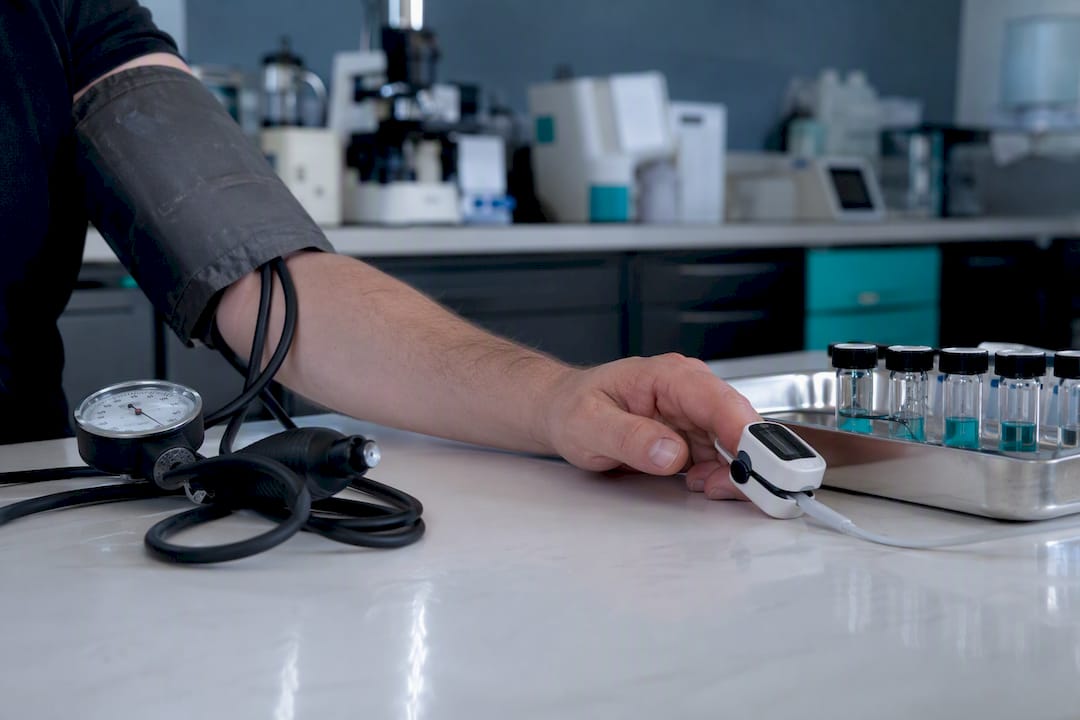
Acute, self-limiting effects dominate the safety literature. Nausea is consistently reported, especially early in dosing; flushing, fatigue, and appetite suppression are also common, and sexual-function changes (both increased libido and, less commonly, priapism-adjacent effects) appear across multiple case reports and the Brennan review.
Serious adverse events are rarer but better documented than casual users assume:
- Pigmented lesion changes and isolated melanoma reports in the case literature, including a documented case of oral mucosa pigmentation changes following MT-II injections
- Seizure activity reported in select case accounts
- Systemic toxidrome-like presentations in a small number of severe cases
- Injection-site infections tied directly to unsterile, black-market product handling rather than the peptide itself
Pro Tip: If you're designing or reviewing a research protocol involving MT-II, build in baseline and follow-up full-body skin exams with documented nevus mapping. Melanocortin agonism affects pigmented lesions directly, and a change that goes unnoted at baseline is a change you can't attribute later.
Beyond skin checks, a defensible monitoring protocol should include vital sign tracking, structured adverse event grading using a standard scale, and pre-specified endocrine panels when MC2R-related cortisol interaction is a plausible confound. None of this is exotic. It is simply what the existing case literature suggests got skipped in most real-world use.
Melanotan 2 Dosage and Pharmacokinetics in Research Settings

Subcutaneous injection is the standard administration route in every controlled study and most case reports. That is not incidental. Preformulation research from the University of Arizona found oral bioavailability in rat models of roughly 4.6%, which rules out oral dosing as a viable route for any protocol needing predictable exposure.
Case reports and early trial data describe dosing schedules that typically start with small subcutaneous doses, with tanning effects generally becoming visible over one to three weeks of regular administration. Onset timing varies considerably by skin type and dose, which is itself a variable most informal regimens fail to control for.
Here is the caution researchers need to sit with: dosing schedules described in online forums vary enormously, and almost none of that variability is explained. Concurrent sunbed use, unknown product purity, and inconsistent injection intervals all confound self-reported outcomes. Treat forum dosing data as hypothesis-generating at best, never as a validated regimen.
Preclinical Melanoma Findings: A Nuanced Signal, Not a Green Light
Here is where melanotan 2 research gets genuinely counterintuitive. Preclinical work using B16-F10 murine melanoma models found that topical MT-II application upregulated PTEN, a tumor suppressor gene, while reducing COX-2 and PGE2 signaling, and the result was suppressed melanoma progression rather than accelerated growth.
That finding sits directly against the concerning case reports of melanoma associated with systemic MT-II use, and reconciling the two requires precision most secondhand summaries skip.
The topical, localized route of administration in mouse models is not the same exposure profile as systemic subcutaneous injection in humans. Species differences, dose, and the specific melanoma model used all shape the outcome, and none of those variables transfer cleanly from a mouse model to a human research subject.
Anyone testing oncology-related hypotheses about MT-II needs a model and route matched to the actual question, appropriate dose-ranging, and endpoints defined before data collection, not selected afterward to fit a preferred narrative.
Why Real-World Melanotan 2 Data Falls Short of Trial-Grade Evidence
Black-market sourcing is the single largest confound in observational MT-II data. Without Certificate of Analysis verification, there is no way to know what a subject actually injected, and qualitative research on user forums documents wide variation in dosing practices, sourcing, and concurrent sunbed use that makes attributing any outcome to MT-II alone close to impossible.
A more rigorous approach follows a short checklist:
- Document sourcing and require COA verification before including a sample in any analysis
- Use validated assays, not vendor-supplied purity claims, to confirm identity and concentration
- Capture adverse events prospectively, not through retrospective recall
- Include an appropriate control or comparison group wherever the study design allows it
- Secure ethical and regulatory oversight before any human-subject data collection begins
Pro Tip: Standardized colorimetry and photography at fixed intervals remove a huge amount of subjective bias from pigmentation outcome data. It costs almost nothing and it is the difference between a data point and an anecdote.
How USAPeptide.info Supports Rigorous Melanotan 2 Research

Sourcing verification is where most independent MT-II research quietly falls apart, and it is also the piece Usapeptide was built to address. The platform's COA grading tool lets researchers assess whether a supplier's Certificate of Analysis actually supports the purity and identity claims made about a compound, rather than taking a vendor's word at face value.
Alongside that, molecular profile pages and a peptide dosage calculator give researchers a reference point for protocol design, and materials tested to ISO 17025-accredited standards give preclinical work a documentation trail that survives peer review. None of this substitutes for institutional ethical oversight. It is a starting point for verifying what is actually in the vial before that vial enters a study.
Editorial Perspective: What Melanotan 2 Research Actually Supports Right Now
The evidence supports a narrower claim than most coverage of MT-II implies: it works reliably as a melanogenesis stimulant, and almost everything else about it, from long-term cancer risk to optimal dosing, remains an open question rather than a settled fact.
Where conventional discussion falls short is in treating forum consensus as if it carries the same weight as trial data. It does not. A regimen that "worked" for thousands of anonymous posters tells you nothing about dose response, confounding sunbed use, or product purity. The Phase 2 trial now underway matters precisely because it is structured to answer questions that a decade of self-reported anecdotes never could.
If you're a researcher weighing where to focus, prioritize sourcing verification before efficacy modeling. A study built on unverified material is a study built on an unknown variable, no matter how sophisticated the downstream analysis gets. Get the input right first.
— USAPeptide Team
Get Verified Research-Grade Peptides for Your Melanotan 2 Studies
USAPeptide is the reference platform for researchers who need documentation, not marketing copy, behind the peptides they work with. Instead of chasing vendor claims across scattered forum threads, you get molecular profiles, dosage calculation support, and a COA grading tool built specifically to catch the purity and identity gaps that undermine research validity before they reach your data.

If MT-II or a related melanocortin compound is part of your current protocol, start by running your supplier's Certificate of Analysis through the COA grading tool to confirm it actually supports the purity claims made. Browse the peptide reference database for molecular profiles on related compounds, and use the documentation trail from ISO 17025-accredited testing to strengthen the sourcing section of your next protocol submission.
Sources
- An unhealthy glow? A review of melanotan use and associated clinical outcomes (Brennan et al., 2014)
- Melanotan II user experience: qualitative study of online discussion forums
This article is general information, not a substitute for advice from a qualified doctor. Consult a qualified healthcare professional about your own circumstances before acting on anything here.