
Dihexa shows synaptogenic and procognitive effects in rodents and cultured neurons, but no published human efficacy data exist, and two of the compound's foundational papers now carry integrity concerns. Researchers evaluating dihexa research should treat the peptide as a preclinical pharmacological probe with mechanistic promise, not a validated cognitive enhancer.
Three data points anchor that verdict. Independent replication in APP/PS1 transgenic mice found that oral dihexa at doses tested in rodent studies reduced escape latency and increased synaptophysin expression, pointing to a PI3K/AKT signaling mechanism. Earlier cell-culture work reported spine-density increases of nearly threefold in hippocampal neurons after several days of exposure. And a consolidated evidence summary from the Alzheimer's Drug Discovery Foundation confirms the animal data while flagging an unresolved, theoretical tumor risk tied to the compound's mechanism.
Before drawing conclusions from any dihexa study, keep these caveats in view:
- No human clinical trials of dihexa itself have ever been registered or published.
- One foundational mechanistic paper has been retracted, and another carries an active expression of concern.
- The proposed mechanism (c-Met receptor activation) carries a theoretical oncogenic risk that has not been ruled out in long-term toxicology work.
Key Takeaways
Dihexa's evidence base is strong enough in rodents to justify continued preclinical study but too thin, and too compromised by retractions, to support any human cognitive-enhancement claim today.
| Point | Details |
|---|---|
| No human trials exist | Every dihexa efficacy claim comes from rodent or cell-culture data; fosgonimeton trials test a related but distinct prodrug. |
| Mechanism carries a real caveat | HGF/c-Met activation drives the synaptogenic effect but also raises an unresolved, theoretical cancer risk. |
| Integrity events changed the ladder | One foundational paper is retracted and another carries an expression of concern, so cite quantitative figures cautiously. |
| Clinical translation has already stumbled | Fosgonimeton's LIFT-AD trial moved a biomarker but missed its cognitive endpoint, a caution against assuming mechanism equals benefit. |
| Verify before you experiment | USAPeptide's COA grading tool and dosage calculator help researchers confirm compound identity and plan dosing responsibly. |
Table of Contents
- Dihexa Research in Animal and Cell Models
- How Does Dihexa Work? The HGF/c-Met Hypothesis
- Key Studies Every Researcher Should Read First
- Dihexa Side Effects, Safety Data, and Regulatory Status
- Retractions and Research Integrity in the Dihexa Literature
- Research Tools for Evaluating Dihexa and Related Peptides
- A Skeptical Read on Where Dihexa Research Actually Stands
- Where USAPeptide Fits in Your Dihexa Research Workflow
- Frequently Asked Questions
- Sources
Dihexa Research in Animal and Cell Models
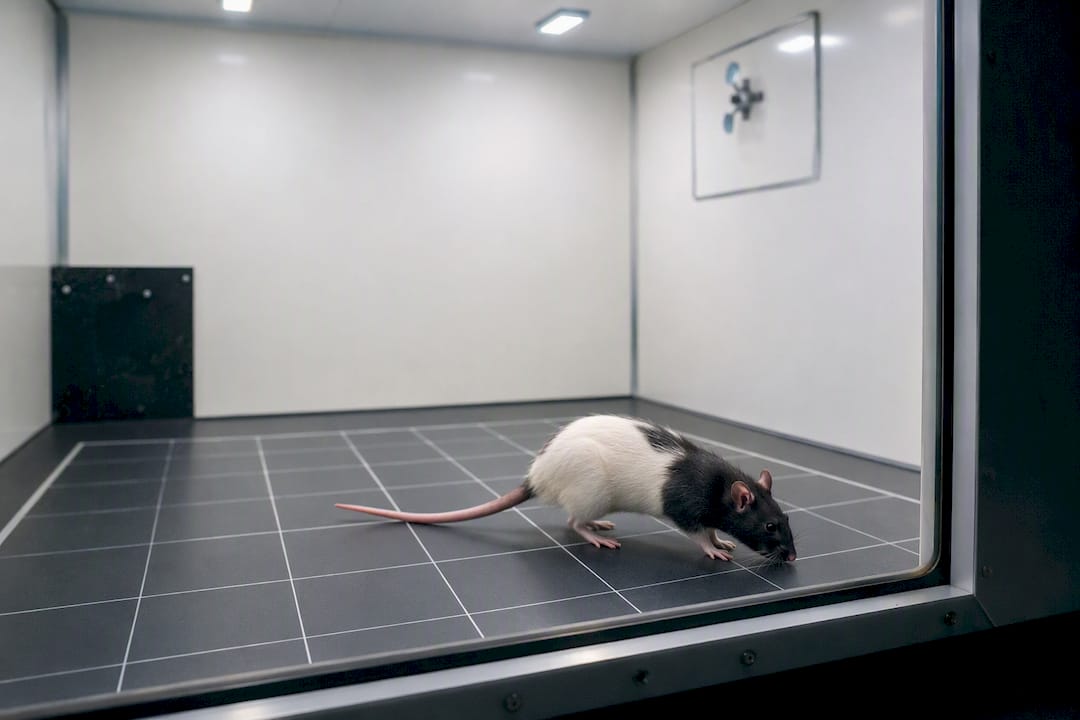
The behavioral case for dihexa rests almost entirely on rescue paradigms, not general cognitive enhancement in healthy subjects. Scopolamine-impaired rats, aged rats with age-related memory decline, and APP/PS1 transgenic mice modeling Alzheimer's pathology all showed improved Morris water maze performance after dihexa administration. That pattern matters: an agent that restores function in an impaired system is mechanistically different from one that boosts performance above a healthy baseline, and the distinction shapes how these findings should be read.
- Behavioral consistency across impairment models. The APP/PS1 mouse work found reduced escape latency alongside increased synaptophysin expression and lower neuroinflammation markers, adding a biochemical correlate to the maze-performance gains reported in the independent replication.
- Cell-culture synaptogenesis. Cultured hippocampal neurons exposed to dihexa for five days showed spine-density increases of close to threefold, alongside changes in spine-head width consistent with new synapse formation rather than existing-synapse remodeling.
- Pharmacokinetics and delivery routes. Rodent studies report an unusually long half-life for a small peptide, with preclinical assays citing a long intravenous half-life, a multi-day intraperitoneal half-life, and shorter duration serum half-life values, a discrepancy that likely reflects different compartments and assay methods rather than a single fixed value. Effects have been documented across oral, intraperitoneal, and intracerebroventricular routes, with oral dosing (the route used in the APP/PS1 replication) being the most translationally relevant for future work.
The oft-cited claim that dihexa is reportedly much more potent than BDNF in certain in vitro assays originates from specific in vitro spine-induction assays. That figure describes relative potency in a narrow experimental context, and reviews caution against generalizing it into a claim about human cognitive outcomes. Treat it as a mechanistic curiosity, not a dosing guide.
How Does Dihexa Work? The HGF/c-Met Hypothesis
Dihexa is proposed to act as a positive allosteric modulator of the hepatocyte growth factor (HGF) receptor, c-Met, rather than as an HGF mimetic that binds the receptor directly on its own. That distinction matters mechanistically: dihexa is thought to require endogenous HGF to be present, amplifying an existing signal rather than generating one from nothing.
Downstream of c-Met activation, three cascades are implicated in the synaptogenic effects observed in culture and in vivo:
- PI3K/AKT signaling, identified as the primary pathway driving the cognitive rescue seen in the APP/PS1 mouse replication.
- MAPK/ERK signaling, associated more broadly with synaptic plasticity and long-term potentiation.
- mTOR pathway activity, relevant to protein synthesis required for new spine formation.
The dependency on endogenous HGF raises a practical research question: tissue and disease states with abnormal HGF expression, including several cancer types, could theoretically respond differently to c-Met modulation than healthy brain tissue does. That is precisely why the mechanism, elegant as it looks in a hippocampal culture dish, cannot be assumed safe simply because it produces spines.
Pro Tip: If you're designing a follow-up study, run a c-Met antagonist arm alongside your dihexa condition. Without it, you cannot distinguish a genuine c-Met-dependent effect from an off-target action, and half the mechanistic literature on this compound skips that control.
Key Studies Every Researcher Should Read First
Four bodies of work define the current evidence ladder for dihexa, and they carry very different weight.
- McCoy et al. 2013 provided the first pharmacological characterization of dihexa, including rodent behavioral data and initial pharmacokinetics. It established dihexa as an angiotensin IV analog with blood-brain-barrier penetration and procognitive effects in impaired rats. The paper now carries an active expression of concern, which does not invalidate every finding but does mean its quantitative claims should not be cited without qualification.
- Benoist et al. 2014 extended the mechanistic story, tying dihexa's effects more explicitly to HGF/c-Met signaling. This paper was later retracted, which weakens confidence in the specific mechanistic claims it advanced, even though the broader c-Met hypothesis has since found partial support elsewhere.
- Sun et al. 2021 offered the most credible confirmation to date: an independent replication in APP/PS1 mice using oral dosing, showing cognitive rescue and PI3K/AKT pathway involvement without relying on the retracted source material. This is the paper that keeps dihexa research scientifically viable despite the integrity problems upstream.
- Fosgonimeton (ATH-1017) clinical trials represent the closest human test of the HGF/c-Met pathway, even though fosgonimeton is a distinct prodrug, not dihexa itself. The Phase 2/3 LIFT-AD trial produced p-tau217 biomarker changes but no statistically significant cognitive or functional benefit against placebo.
| Study | Model | Key finding | Evidentiary status |
|---|---|---|---|
| McCoy et al. 2013 | Rats (scopolamine, aged) | Initial PK and behavioral characterization | Expression of concern |
| Benoist et al. 2014 | Cell culture, mechanistic | HGF/c-Met synaptogenesis mechanism | Retracted |
| Sun et al. 2021 | APP/PS1 mice, oral dosing | Cognitive rescue via PI3K/AKT | Independent, not retracted |
| Fosgonimeton LIFT-AD | Human, Phase 2/3 | Biomarker change, no cognitive benefit | Published trial result |
The fosgonimeton result is the most sobering data point in the entire dihexa literature. It tested the same biological pathway in humans and found that moving a biomarker did not translate into a measurable clinical outcome. That gap between mechanism and clinical benefit is exactly the failure mode dihexa research still has to rule out.
Dihexa Side Effects, Safety Data, and Regulatory Status
Dihexa is not FDA-approved for any indication, and it is not a prescription drug. It is commonly sold as a research-use-only compound, which means it exists in a regulatory space built for laboratory reagents, not for human consumption, and no clinical safety monitoring accompanies its sale.
The safety picture has three specific gaps researchers should weigh carefully:
- No long-term toxicology data. The compound's long rodent half-life, reported at nearly 13 days after intravenous dosing in one study, means repeated dosing could produce accumulation that short-duration studies would miss entirely.
- Theoretical oncogenic risk. Because c-Met signaling is implicated in several cancer types, chronic activation of that receptor pathway carries a plausible, unresolved tumorigenesis risk that the Alzheimer's Drug Discovery Foundation evidence summary explicitly flags as unaddressed.
- Trial exclusion as a signal. Human trials of fosgonimeton, the closest pathway analog with clinical data, excluded participants with active cancer or a significant cancer history. That exclusion criterion is itself a data point about how seriously trial sponsors treat c-Met-related risk, even for a differently structured molecule.
None of this proves dihexa is unsafe in humans. It proves the safety question has not been asked in a controlled human setting, and the mechanistic rationale for caution is specific rather than speculative.
Retractions and Research Integrity in the Dihexa Literature
Two integrity events shape how confidently anyone can cite the early dihexa literature. Benoist et al. 2014, the paper most directly linking dihexa to HGF/c-Met mechanistic detail, was retracted. McCoy et al. 2013, the original pharmacological characterization, carries an active expression of concern rather than a full retraction, meaning the journal has flagged unresolved issues without formally withdrawing the paper.
- Quantitative claims sourced directly from the retracted paper (specific fold-changes, specific mechanistic figures) should be treated as unverified until confirmed elsewhere.
- The broader HGF/c-Met hypothesis survives independently, largely because the 2021 APP/PS1 mouse replication reached similar behavioral conclusions using its own dataset.
- Behavioral rescue in impaired rodent models remains the most durable finding across the literature, even after discounting the compromised papers.
The practical rule for evaluating this compound's literature: any number that traces back to a retracted source is a hypothesis, not a fact, until an independent group reproduces it with its own raw data.
How to Interpret Dihexa Data as a Researcher
Three habits separate a defensible dihexa study from one that adds noise to an already contested literature.
- Build in mechanistic controls. Include a c-Met antagonist arm, use blinded scoring for behavioral tasks, and run more than one cognitive test (Morris water maze plus novel object recognition) so a single assay artifact cannot drive your conclusions.
- Report full pharmacokinetic detail. Measure brain and plasma exposure at multiple timepoints, state which half-life value you are using and why, and avoid scaling rodent doses to human equivalents without a clear allometric justification.
- Preregister and share raw data. Given the retraction history in this specific literature, depositing raw images and preregistering your protocol are not formalities. They are the difference between a paper that ages well and one that needs a correction in five years.
Pro Tip: Before citing a specific spine-count or half-life figure from a dihexa paper, check whether that paper has an associated retraction notice or expression of concern. A five-minute PubMed check saves you from anchoring a grant proposal to a withdrawn number.
Research Tools for Evaluating Dihexa and Related Peptides
Reading the literature is only half the job. Verifying what actually ships in a vial is the other half, and that is where a research-focused reference platform earns its place in your workflow. USAPeptide maintains a peptide database with molecular profiles and mechanism summaries, a dosage calculator built for research-context dosing math, and a COA grading tool that assesses whether a supplier's Certificate of Analysis reflects genuine ISO 17025-accredited testing.
- Use the COA grading tool to check purity documentation before running any experiment that depends on compound identity.
- Use the dosage calculator to translate rodent dosing ranges into research-appropriate working concentrations, not as a human-dosing guide.
- Cross-reference unfamiliar terms like c-Met or PI3K/AKT in the peptide research glossary while reading primary literature.
| Point | Details |
|---|---|
| Verify identity first | Check any dihexa source's Certificate of Analysis for HPLC purity data before trusting behavioral or PK claims tied to it. |
| Tools support planning, not approval | USAPeptide's calculator and COA grader assist research logistics; they do not imply clinical safety or FDA approval. |
These tools support experimental planning and vendor verification. They carry no implication that dihexa, or any research peptide referenced on the platform, has established human safety or clinical approval.
A Skeptical Read on Where Dihexa Research Actually Stands
The conventional nootropics narrative treats dihexa's rodent data as a preview of human results waiting to happen. That reading gets the science backward. Rescue effects in impaired animals, however consistent, have a poor track record of predicting benefit in healthy or diseased human brains, and fosgonimeton's clinical failure on the same pathway is the closest real-world test available.
What gets underweighted in most online discussion is the retraction issue. A compound with two compromised foundational papers needs its remaining evidence, chiefly the 2021 independent replication, to carry more scrutiny, not less enthusiasm. The mechanistic elegance of HGF/c-Met modulation does not exempt it from the same tumorigenesis question that any growth-factor pathway drug faces.
Researchers should prioritize replication quality and compound verification over dosing speculation. That means reading primary sources with retraction status in mind, and it means never assuming a vial's label matches its contents without a real Certificate of Analysis behind it.
Where USAPeptide Fits in Your Dihexa Research Workflow
USAPeptide is built for exactly the verification step this article argues you cannot skip: confirming what a research peptide actually is before you build an experiment around it. Unlike a supplier page that simply lists a purity percentage, USAPeptide's COA grading tool walks you through what a legitimate ISO 17025-accredited Certificate of Analysis should contain, so you can flag a weak or fabricated COA before it compromises a study.

If your work extends beyond dihexa into other research compounds, the peptide database offers molecular profiles and mechanism summaries for dozens of research peptides, alongside a dosage calculator built for research-context math rather than consumer dosing. For labs comparing dihexa's early-stage evidence against peptides with a longer research track record, the tissue recovery and repair category is a useful next stop. Check your next supplier's Certificate of Analysis against USAPeptide's grading criteria before your next order ships.
Frequently Asked Questions
Is there any published dihexa research on human subjects? No. Every efficacy finding for dihexa comes from rodent behavioral models or cell culture. The closest human data involve fosgonimeton, a related but chemically distinct prodrug targeting the same HGF/c-Met pathway.
What is dihexa's proposed mechanism of action? Dihexa is thought to act as a positive allosteric modulator of the c-Met receptor, amplifying endogenous HGF signaling through PI3K/AKT, MAPK/ERK, and mTOR pathways to drive synaptogenesis.
Why do some dihexa papers carry retraction notices? Benoist et al. 2014, a key mechanistic paper, was retracted, and McCoy et al. 2013 carries an active expression of concern. Both events reduce confidence in specific quantitative claims from those sources, though independent replications since then support the general behavioral findings.
Does dihexa have known side effects in humans? No human safety data exist because no human trials have been conducted. The main theoretical concern is oncogenic risk tied to chronic c-Met activation, an unresolved question flagged in evidence reviews.
Is dihexa legal to purchase for research? Dihexa is not FDA-approved and is not sold as a drug. It circulates as a research-use-only compound, which places it outside standard pharmaceutical regulation and outside any clinical safety oversight.
This article is general information, not a substitute for advice from a qualified doctor. Consult a qualified healthcare professional about your own circumstances before acting on anything here.
Sources
- AngIV-Analog Dihexa Rescues Cognitive Impairment and Recovers Memory in the APP/PS1 Mouse via the PI3K/AKT Signaling Pathway
- Dihexa evidence summary (Alzheimer's Drug Discovery Foundation)
- Relevant clinical-trial and review DOI (brainsci11111487)